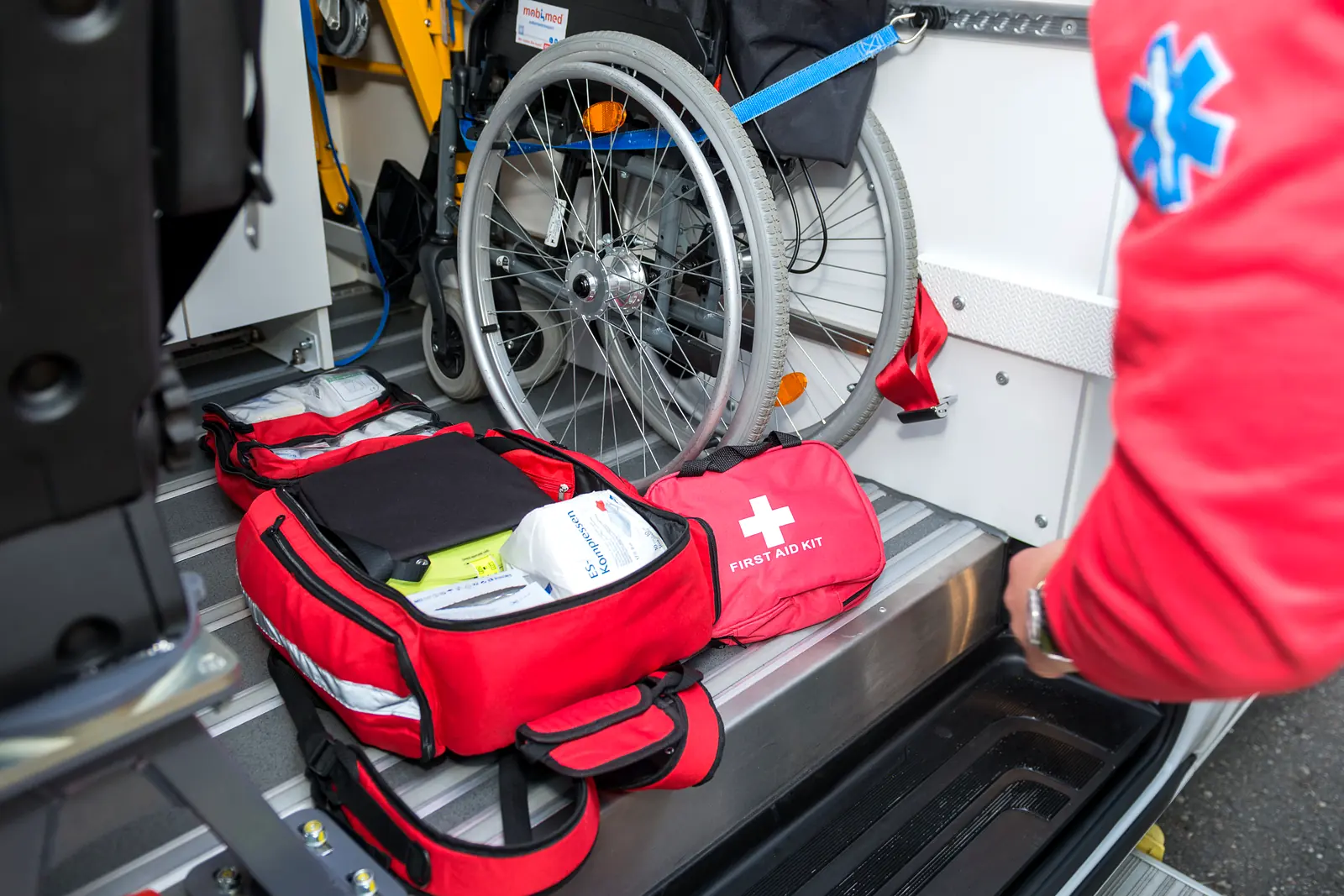
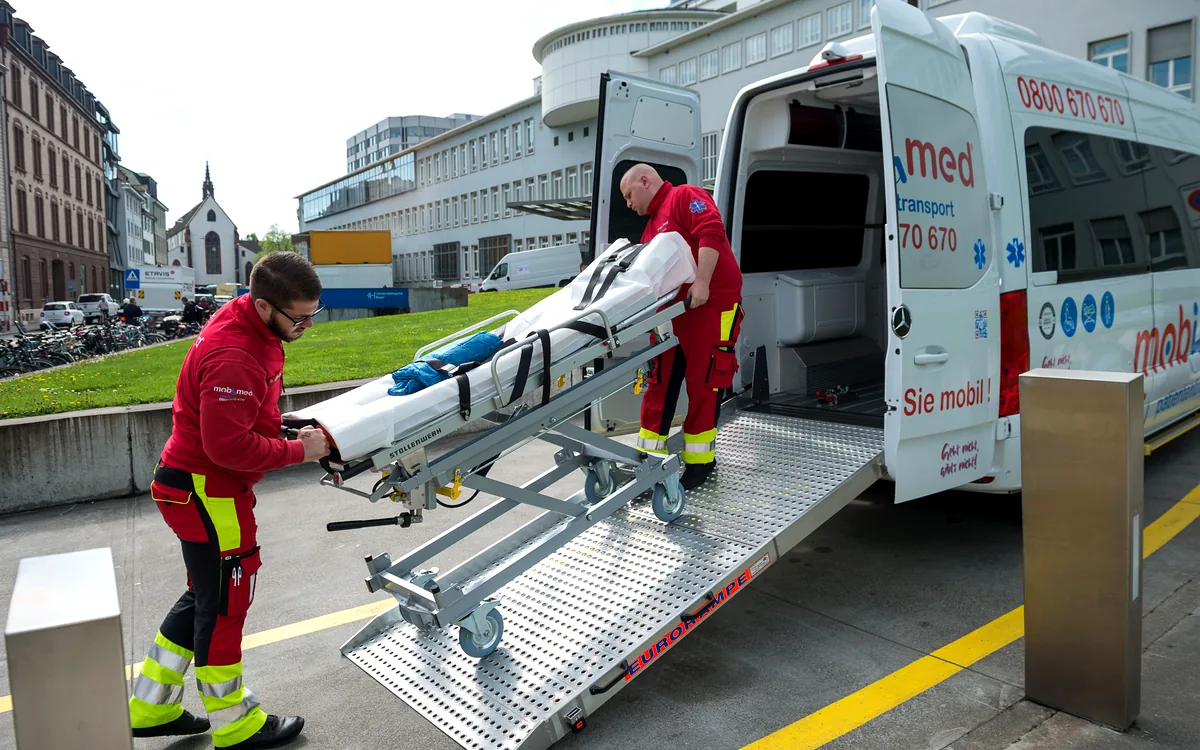
Stretcher transport
In a stretcher transport, the patient is carried on a patient stretcher in a vehicle specially equipped for the purpose.
Learn more: Stretcher transport
Glossary · Types of transport · also: ambulance service, emergency ambulance, paramedics
The emergency medical service cares for people in medical emergencies and takes them to hospital under medical supervision. In Switzerland, it is alerted via the emergency number 144. It differs from patient transport, which handles planned journeys for patients in a stable condition.
Also called: ambulance service · emergency ambulance · paramedics · emergency number 144
Call 144 in case of breathing difficulties, chest pain, unconsciousness, signs of paralysis or speech disorders, heavy bleeding, serious accidents — and always whenever you are unsure whether it is an emergency. The emergency call centre asks questions, assesses the situation and sends the appropriate response — if necessary with an emergency doctor or rescue helicopter.
A patient transport service is the wrong place to turn in these situations: it has neither the mandate nor the equipment for emergency care.
Emergency medical services are staffed by qualified paramedics, often supported by emergency doctors. They stabilise patients on site, administer medication, monitor circulation and breathing and drive to the appropriate hospital with blue lights and sirens. They are ready for action around the clock and are commissioned or licensed by the cantons.
In Basel-Stadt, for example, the Sanität Basel (Basel ambulance service) is responsible; in Basel-Landschaft it is the region’s emergency medical services. Besides emergencies, emergency medical services also carry out transfers of patients who need medical monitoring on the way.
Patient transport carries out journeys that can be planned: hospital discharge, doctor’s appointments, dialysis, rehab, transfers of stable patients. It arrives at the agreed time, collects from the front door and accompanies the patient to the destination. The emergency medical service comes immediately when life or health is acutely at risk. The two complement each other — and both are important.
Health insurers also make a distinction: for rescues, basic health insurance (KVG/LAMal) covers 50 per cent, up to a maximum of CHF 5,000 per calendar year; for transport, 50 per cent, up to a maximum of CHF 500.
In everyday language the terms get mixed up. In Switzerland, “Sanität” and “Ambulanz” usually mean the emergency medical service that comes via 144. “Krankenwagen” (ambulance) is used both for the emergency ambulance and for patient transport vehicles. What matters is not the word but the situation: an emergency or a planned journey.
Patient transport services drive without blue lights and without sirens. They are there for the journey after the emergency — from hospital home, to rehab or to a follow-up appointment.
The distinction is also helpful for relatives: you call the emergency medical service immediately in an emergency, whereas you book patient transport with some notice for a specific appointment.
It helps relatives to have the most important information to hand: medication list, allergies, ID and health insurance card. This helps the emergency medical service in an emergency just as much as it helps patient transport on planned journeys. Anyone who calls 144 stays on the line until the emergency call centre ends the call, and follows its instructions.
One night, Walter, 71, from Binningen, gets severe chest pain. His wife calls 144, and the emergency medical service takes him to hospital. Ten days later, Walter is stable and may go home, but still needs to be accompanied. For this journey, the ward books a seated transport with Mobimed.
In a stretcher transport, the patient is carried on a patient stretcher in a vehicle specially equipped for the purpose.
Learn more: Stretcher transport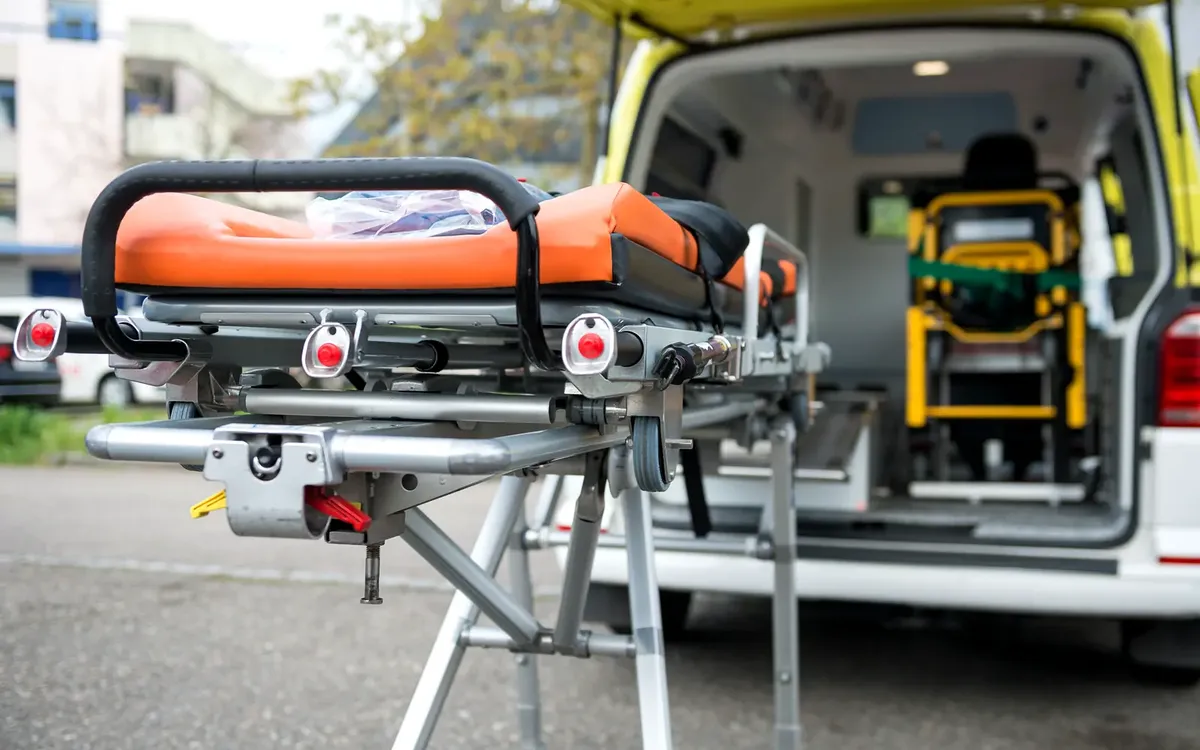
On a hospital transfer, we take patients from one institution to the next: from a hospital to another clinic, from an acute hospital to a care home or from a clinic back to hospital.
Learn more: Hospital transfersNo. Mobimed transports patients in a stable condition and does not provide emergency care. In an emergency in Switzerland, always call 144.
Basic health insurance covers 50 per cent of the costs, up to a maximum of CHF 5,000 per calendar year. The rest is paid by supplementary insurance or the patient.
Client, patient, appointment — one form that goes directly to our dispatch team. Prefer to call? That works too.
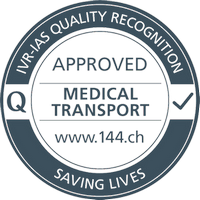
Recognition by the Swiss Interassociation for Rescue Services (IVR/IAS) is not a self-assessment but the result of an external audit of vehicles, equipment, training and procedures. Mobimed was the first patient transport provider in north-western Switzerland to receive it — and still holds it today.
Check the certificate in the IVR register