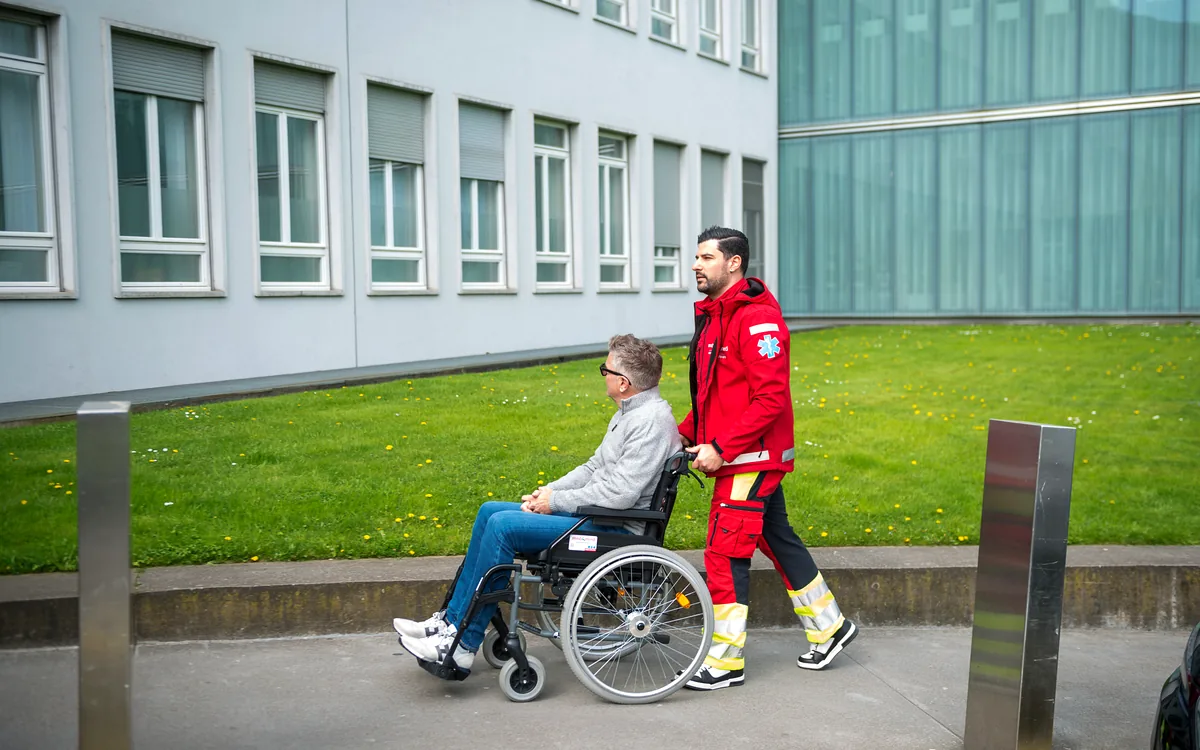
Dialysis transport
Dialysis transport is not a one-off matter but a routine: usually three times a week, often for years.
Learn more: Dialysis transport
Glossary · Costs and insurance · also: EL to AHV/IV, supplementary benefits AHV, EL illness and disability costs
Supplementary benefits (EL) are means-tested benefits linked to the AHV (old-age and survivors’ insurance) and IV (disability insurance) for people whose pension and income do not cover their living costs. In addition to the annual supplementary benefit, they can also reimburse illness and disability costs — these can include transport costs that neither basic nor supplementary insurance covers.
Also called: EL to AHV/IV · supplementary benefits AHV · EL illness and disability costs · reimbursement of illness costs
Eligible are people living in Switzerland who receive an AHV or IV pension and whose recognised expenses exceed their income. Supplementary benefits are not social assistance but a legal entitlement that is calculated. Many older people do not know that they would be entitled, or never apply.
For patient transport, the so-called illness and disability costs are particularly relevant. Anyone who receives EL — or narrowly misses out on the annual benefit but bears high illness costs — can, under certain conditions, have these costs reimbursed.
Costs arising from illness or disability that are not covered by any insurance can be reimbursed. Depending on the canton and the individual case, these also include the costs of transport to the nearest suitable place of treatment. Typically this is the part above the basic insurance cap of CHF 500 per year, as well as the deductible and co-payment.
The exact rules and maximum amounts are set by the cantons. Binding information can therefore only be given by the cantonal EL office of your canton of residence.
You apply for supplementary benefits at the cantonal EL office of your place of residence. To be reimbursed for illness costs, you submit the invoices — usually together with the health insurer’s statement showing which share was not covered. Note the deadlines for submission; they are set by the canton.
Relatives, Pro Senectute, Pro Infirmis or hospital social services can help you fill in the forms. Keep all transport invoices and medical prescriptions carefully.
The most common mistake is simply not applying — out of ignorance or embarrassment. Supplementary benefits are a statutory entitlement for people with a small pension. A second pitfall is missing documents: without an invoice and without the health insurer’s statement, the EL office cannot reimburse illness costs. So keep all documents in one place.
Thirdly, deadlines are overlooked. Illness costs must be submitted within a certain period, otherwise the entitlement lapses. If you need transport regularly, it is best to submit the documents at fixed intervals, for example monthly. And finally, when something changes — a move into a care home, a new diagnosis, more journeys — it is worth actively informing the EL office.
Good to know: relatives or an authorised person may also submit documents and obtain information if the person concerned gives written permission. This takes the pressure off older people who find forms overwhelming.
Mr S. lives alone on his AHV pension and receives supplementary benefits. After a stroke, he travels to therapy in a wheelchair twice a week. Basic insurance pays out its maximum for transport in the spring. For the further journeys, he submits the invoices with the health insurer’s statement to the cantonal EL office, which reimburses part of the uncovered costs.
Dialysis transport is not a one-off matter but a routine: usually three times a week, often for years.
Learn more: Dialysis transport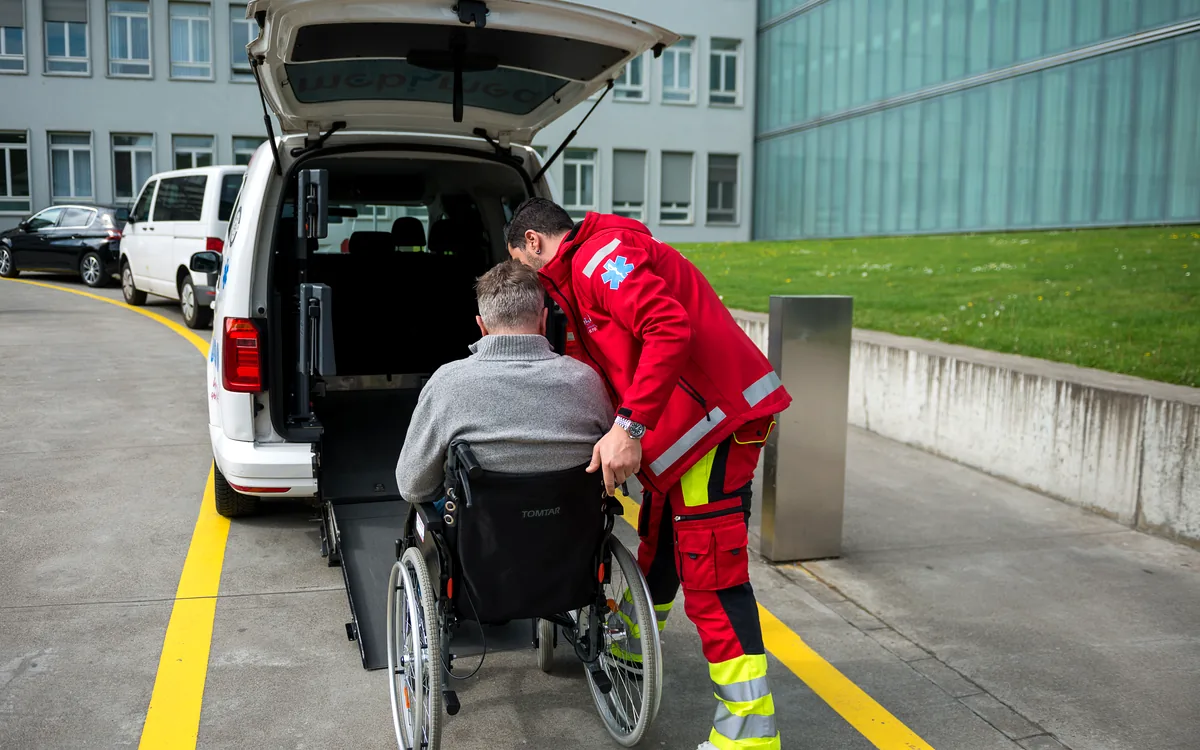
With wheelchair transport, the patient stays seated in their own wheelchair.
Learn more: Wheelchair transport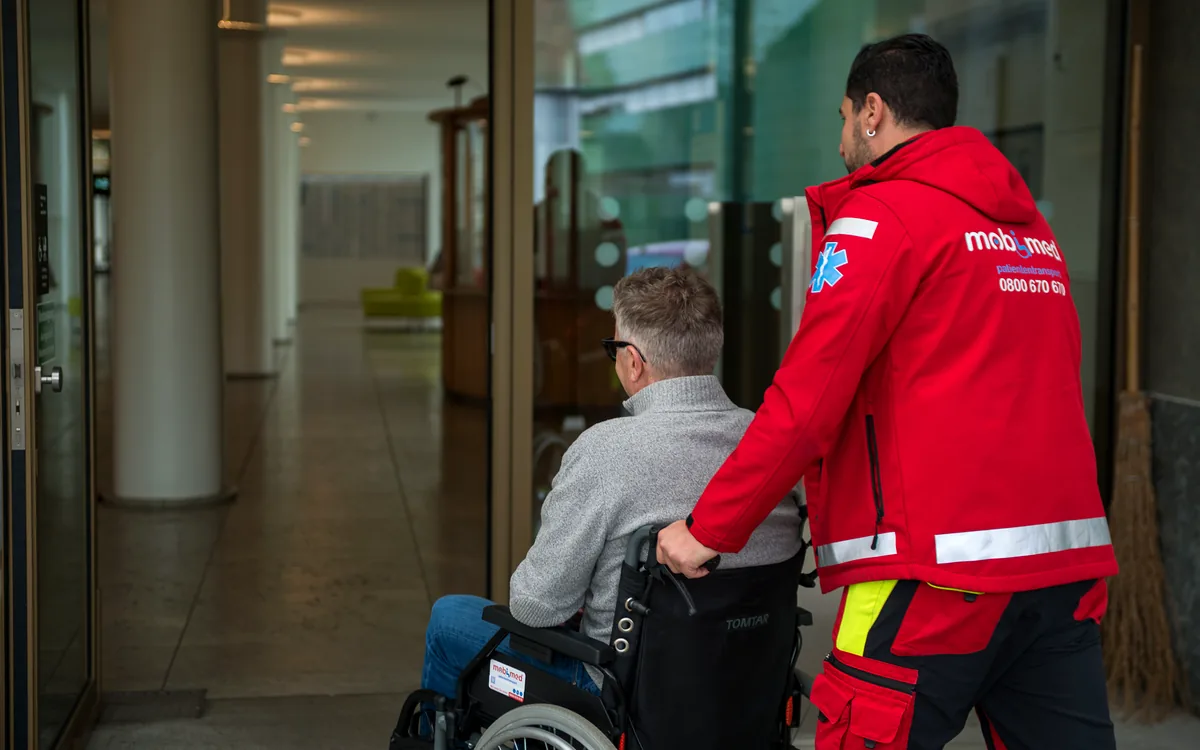
Our private transport service for seniors takes you to the doctor, to hospital, to therapy, to the hairdresser or to visit family – and back home again.
Learn more: Transport service for seniors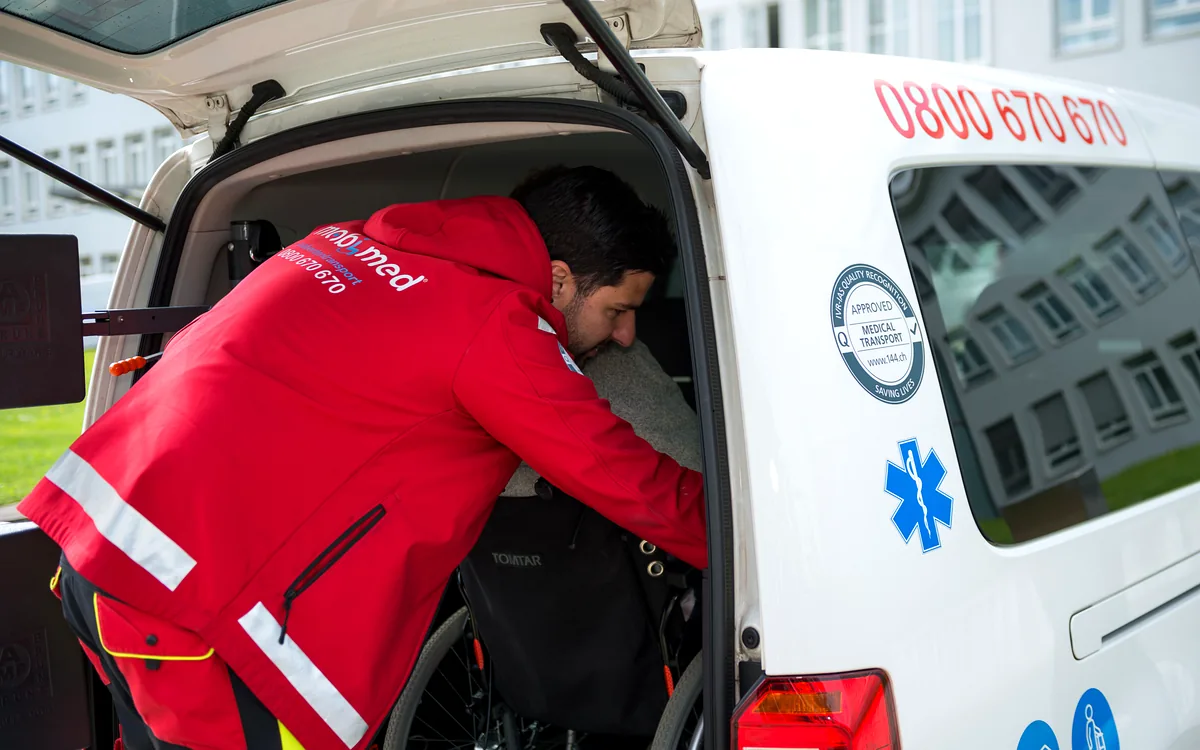
For us, transport for people with disabilities means accessible vehicles with a ramp or lift, trained staff and door-to-door assistance – for people with physical or multiple disabilities.
Learn more: Transport for people with disabilitiesThey can reimburse transport costs as part of illness and disability costs if these are not covered by any insurance. What is covered in the individual case is decided by the cantonal EL office.
At the cantonal EL office of your canton of residence. Advice centres such as Pro Senectute and Pro Infirmis can help with the application.
Client, patient, appointment — one form that goes directly to our dispatch team. Prefer to call? That works too.
Recognition by the Swiss Interassociation for Rescue Services (IVR/IAS) is not a self-assessment but the result of an external audit of vehicles, equipment, training and procedures. Mobimed was the first patient transport provider in north-western Switzerland to receive it — and still holds it today.
Check the certificate in the IVR register